When Low-Severity Security Incidents Become High-Value Investigative Intelligence
An incident that appears minor on its own may take on greater significance when related information emerges. The challenge is making sure the earlier record is available when that happens.
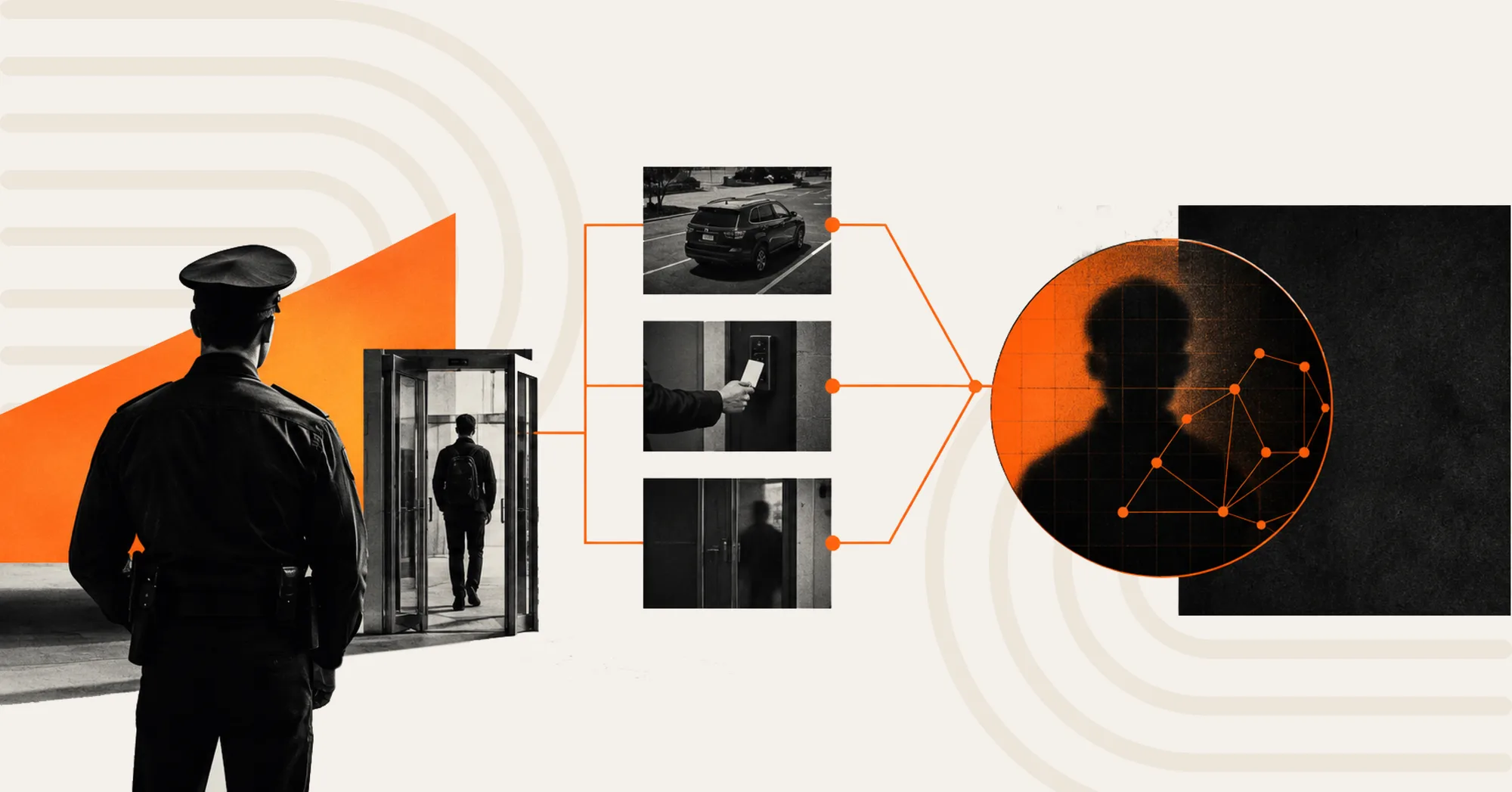
Consider a hypothetical example. A guard challenges someone trying to enter a corporate building without a valid badge. The person says they have forgotten their access card and leaves. The guard records the encounter.
Two weeks later, another guard reports a similar attempt at a different entrance. A review confirms that both encounters involved the same person, who has no verified reason to enter the building.
The first encounter did not establish a pattern. The second gives the team a reason to revisit it. Together, the reports raise questions that neither could answer alone.
That is the potential value of a low-severity incident report: information that seems unimportant today may help explain something that happens later.
Immediate Response and Later Review Serve Different Purposes
Security teams need to decide what an incident requires now. They also need a way to reconsider that incident when new information becomes available.
Those decisions can change without the original assessment having been unreasonable. A report may contain too little information to justify further investigation at the time. A later encounter, a verified identity or a similar incident elsewhere may change that assessment.
The important distinction is between completing the immediate response and deciding that the information has no further value.
A closed report can still contribute to a future investigation.
What the Research Shows About Context
The U.S. Secret Service’s National Threat Assessment Center studied 173 mass attacks involving 180 attackers in public and semi-public spaces between 2016 and 2020. It found that 93 attackers, or 52 percent, had displayed behaviors or communications whose concerning nature required additional information to understand. Examples included unusual statements, erratic behavior, increased anger and uncharacteristic changes in demeanor.1
The finding illustrates why context matters. An observation may be difficult to assess in isolation. Additional information can help explain whether it warrants concern.
The study did not examine ordinary security tickets or demonstrate that every minor incident was a missed warning. Its relevance here is narrower: some behaviors require a fuller picture before their significance can be understood.
For security teams, the practical implication is to preserve relevant observations so they can be reconsidered when that fuller picture becomes available.
How Separate Reports Can Change an Assessment
Returning to the hypothetical entry attempts, several details would affect what the team should do next.
Were both reports definitely about the same person? Did the encounters involve the same explanation? Was the person a contractor whose access had not been arranged correctly? Did the second attempt happen after someone had clearly explained the entry requirements?
The answers could increase concern or resolve it.
Reviewing reports together should help investigators distinguish a recurring security issue from an administrative problem, a misunderstanding or unrelated events. A pattern becomes useful when the underlying details can be checked.
This is why a searchable record needs more than a severity label. It needs enough factual detail for another person to understand what happened.
Record What the Next Reviewer Will Need
A useful report separates observation from interpretation.
“An unidentified person acted suspiciously” gives a future reviewer little to assess. A description of what the person did, where they went, what they said and how they responded to a challenge provides a clearer basis for comparison.
Where relevant and permitted, records should preserve:
- The date, time and location.
- The specific actions or statements observed.
- Identifiers such as a verified badge number or vehicle registration.
- Supporting material and its source.
- The response taken and the reason for closing or escalating the incident.
Uncertainty should remain visible. A possible identity match should not become a confirmed connection simply because two reports have been linked.
Accurate records make it easier to revisit an assessment without relying on memory or assumptions.
Assign Responsibility for Reviewing Connections
Keeping reports is only part of the process. Someone needs responsibility for reviewing related information and deciding whether it changes the assessment.
An organization might trigger a review when a verified person or vehicle appears in repeated incidents, when activity becomes more frequent, or when a new report adds important context to an earlier encounter.
The appropriate triggers will depend on the setting. Repeated access attempts at a restricted facility may require a different response from repeated visitor registration errors at a busy reception desk.
The process should make clear who reviews the information, who can request further checks and who decides whether to escalate. It should also record when a connection has been investigated and reasonably explained.
The aim is to give relevant patterns an owner and a documented outcome.
Make Related Information Available to the Right People
Relevant context may sit in more than one record or department. A security report might describe an encounter, while an access record or visitor booking helps explain it.
Carnegie Mellon University’s CERT Insider Threat Center recommends correlating information from multiple data sources as part of an insider threat program.2 For organizations applying that principle, the practical question is which information an authorized reviewer needs to assess a specific concern.
That requires clear access rules and appropriate retention. It also requires preserving the original source so reviewers can distinguish what was observed, what was reported by someone else and what remains unverified.
Combining information should improve the quality of an assessment, including the ability to identify an innocent explanation.
What to Ask of an Investigative Platform
For teams evaluating Hubstream or another investigative platform, a useful demonstration starts with a simple task: find an earlier report and examine it alongside new information.
Can an investigator search by a relevant person, vehicle, badge or location? Can they inspect the evidence behind a suggested connection? Can they correct an inaccurate match and document why the combined information does or does not warrant further action?
These questions keep the focus on investigative work. The value of connecting records is that it gives people a clearer basis for judgment.
A Closed Report Can Still Matter
The significance of an incident is not always fully apparent when it happens.
New information may reveal that an earlier encounter deserves another look. It may also explain why the encounter was harmless. In either case, the earlier record helps the reviewer reach a better-informed decision.
Low-severity reports do not all need to become investigations. They need to remain accurate, retrievable and available for appropriate review, so that when a meaningful connection emerges, the team can examine it.
-
U.S. Secret Service, National Threat Assessment Center. Mass Attacks in Public Spaces: 2016–2020. January 2023. See “Concerning Behaviors,” printed page 37 (PDF page 46), the paragraph reporting 93 attackers (52 percent). Read the report ↩︎
-
Carnegie Mellon University, Software Engineering Institute. Common Sense Guide to Mitigating Insider Threats, Fifth Edition. December 2016. See Practice 12, printed page 79 (PDF page 96), on correlating information from multiple data sources. Read the guide ↩︎